Designed for a woman with both pelvic organ prolapse and stress urinary incontinence (SUI)
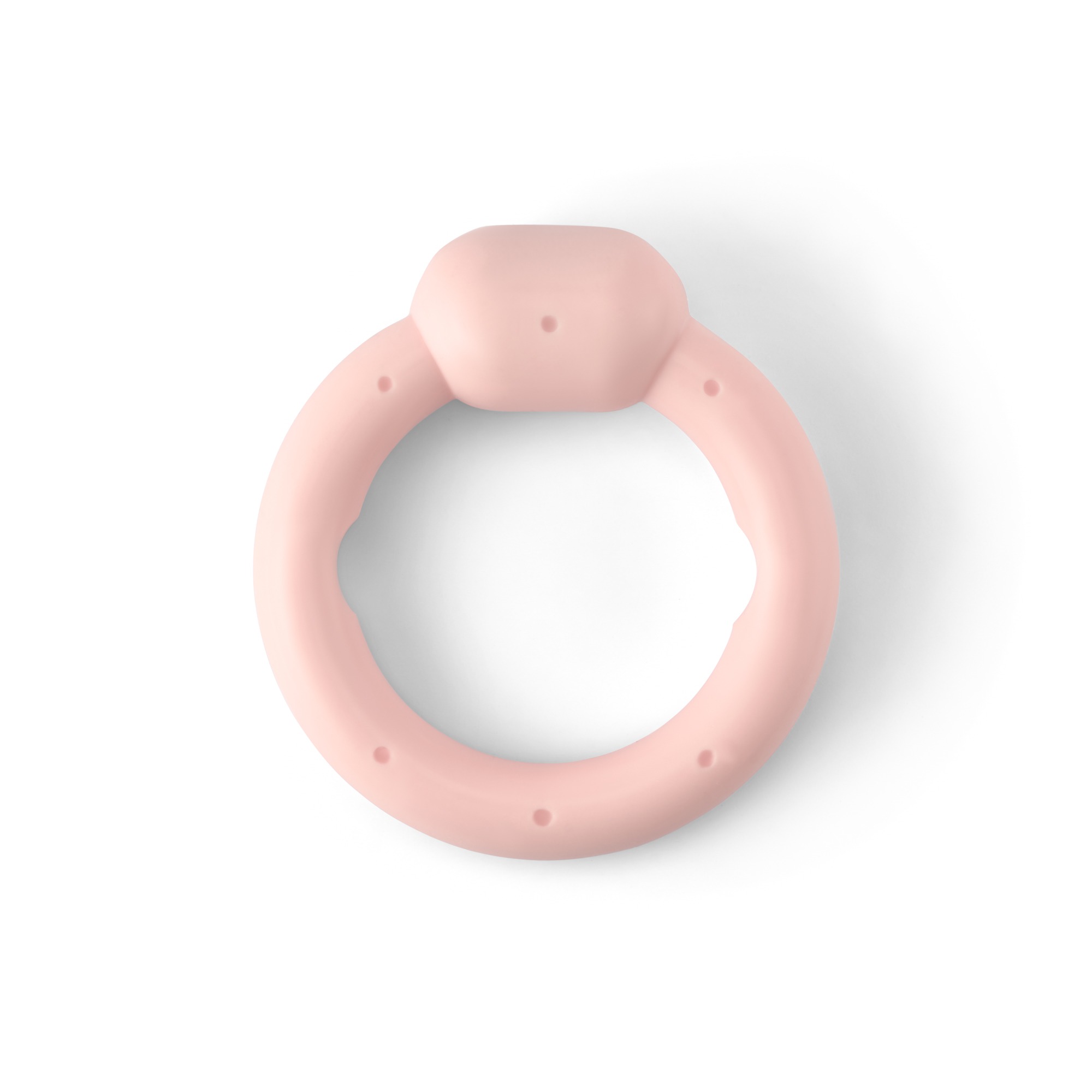
Ring with knob is designed for a woman with both pelvic organ prolapse and stress urinary incontinence (SUI) and can also be useful when new symptoms of stress incontinence develop when her prolapse is reduced with an initial trial of a pessary without knob. [1] The knob adds additional width to the pessary which may affect the sizing and provides support to the bladder neck to reduce SUI.
It should be inserted like a standard ring but with the knob to one side and then rotated in the vagina so that the knob sits behind the symphysis pubis. It should be rotated back again before removal. For a woman without prolapse but just SUI, an incontinence pessary is available, which is the same design but with a thinner ring. [1]
Pessary use is part of a shared decision‑making process and can be continued long‑term if effective and well tolerated, enabling many women to maintain normal daily activities with reduced prolapse symptoms. The POGP guidelines emphasises the importance of assessing fit and symptom relief during the initial fitting and during scheduled reviews, and adjusting size or type if necessary to achieve optimal comfort and retention. [1]
Silicone rings with knob are available from Mediplus in a variety of sizes. These are more pliable than the PVC pessaries and as they can fold, are often easier to insert and remove so are useful for a woman who is self-managing. Silicone pessaries are more expensive to buy but can be washed and re-inserted on many occasions. [1]
To learn more about different pessary types please click here.
Are you interested in learning more or viewing the available sizes?
References:
1. Pelvic Obstetric and Gynaecological Physiotherapy (2025). POGP Clinical Competency Framework for Pelvic, Obstetric and Gynaecological Physiotherapy. United Kingdom: POGP Education Committee. pgg_guidance_v8copy_2.pdf
 Anaesthesia
 Gynaecology
 Operating Room
 Urology