A short insight into the shelf pessary, who it is best suited for, how it should be used and how it provides an additional option for women.
A shelf pessary is one of several pessary types available to support pelvic organs and manage prolapse symptoms. Understanding when a shelf pessary may be appropriate can help in treatment decision making tailored to individual patient needs.
A shelf pessary is a space filling pessary, designed to provide mechanical support to prolapsed pelvic organs1,2.
Shelf pessaries have a unique shape and design. Unlike Gellhorn’s, which have a round base, shelf pessaries have a kidney-shaped base, anatomically designed to improve comfort for patients and increase surface contact and support. They also feature a curved central stem to improve stability and retention. The convex edge of a shelf pessary sits in the posterior vaginal fornix and the concave edge faces towards the bladder.
Some shelf pessaries are available with short and longer stem length options, allowing clinical selection based on patient anatomy and comfort. Patients with a longer vaginal canal may benefit from a longer stem, while the short-stem option may benefit those with a shorter vaginal anatomy.
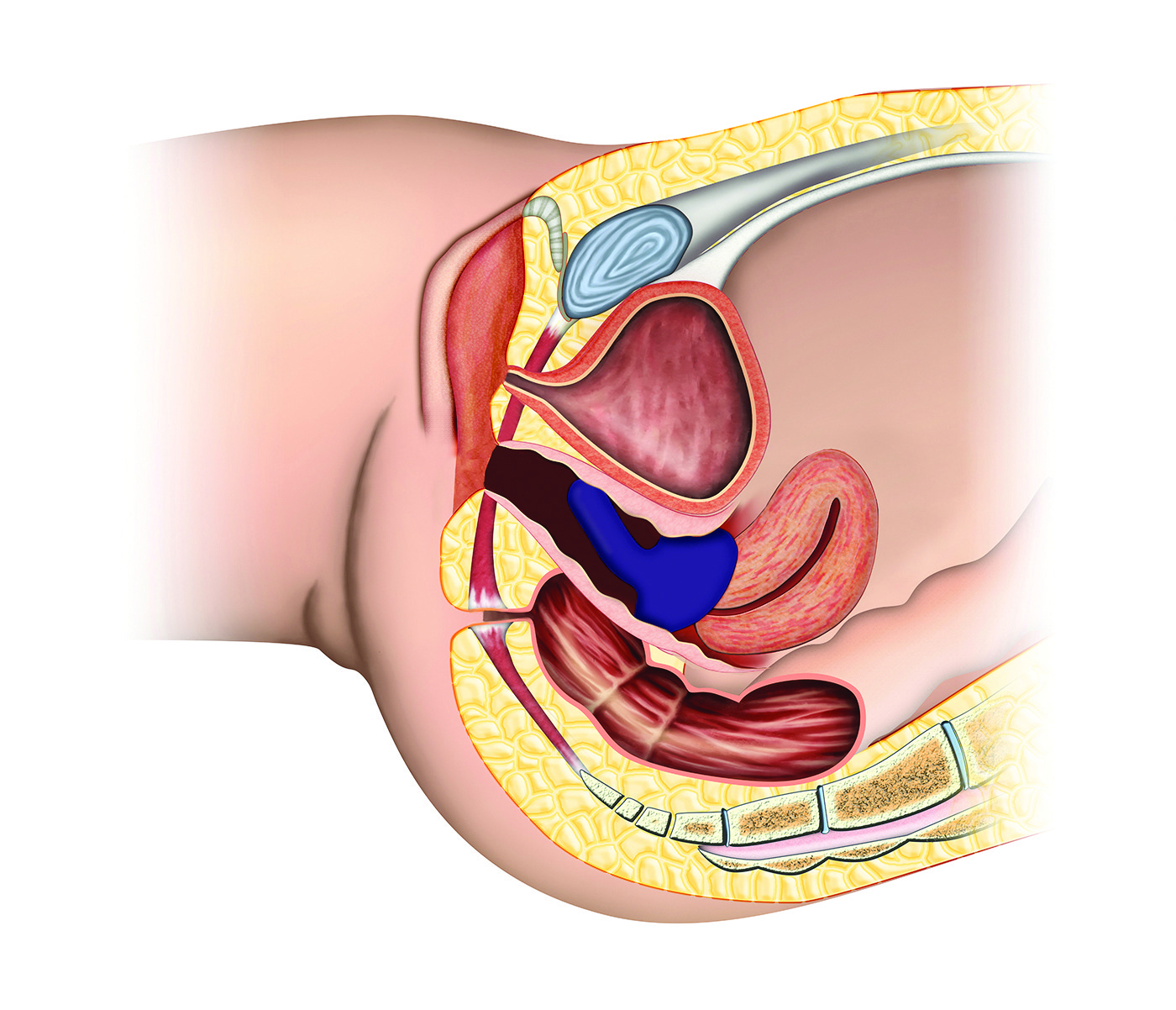
The kidney-shaped plate should sit behind the pubic symphysis, and the stem should rest in the posterior fornix.
Shelf pessaries are generally managed by healthcare providers, rather than patient-led self-management.
Shelf pessaries may be also be considered after recurrent pessary expulsion as they offer improved retention compared with other styles such as ring pessaries2.
The goal with shelf pessaries is to reduce prolapse symptoms, improve comfort, and support daily activities whilst avoiding or delaying surgical intervention.
In addition to those contraindicated for pessary use, as per the manufacturer’s Instructions for Use (IFU), the following factors may influence suitability:
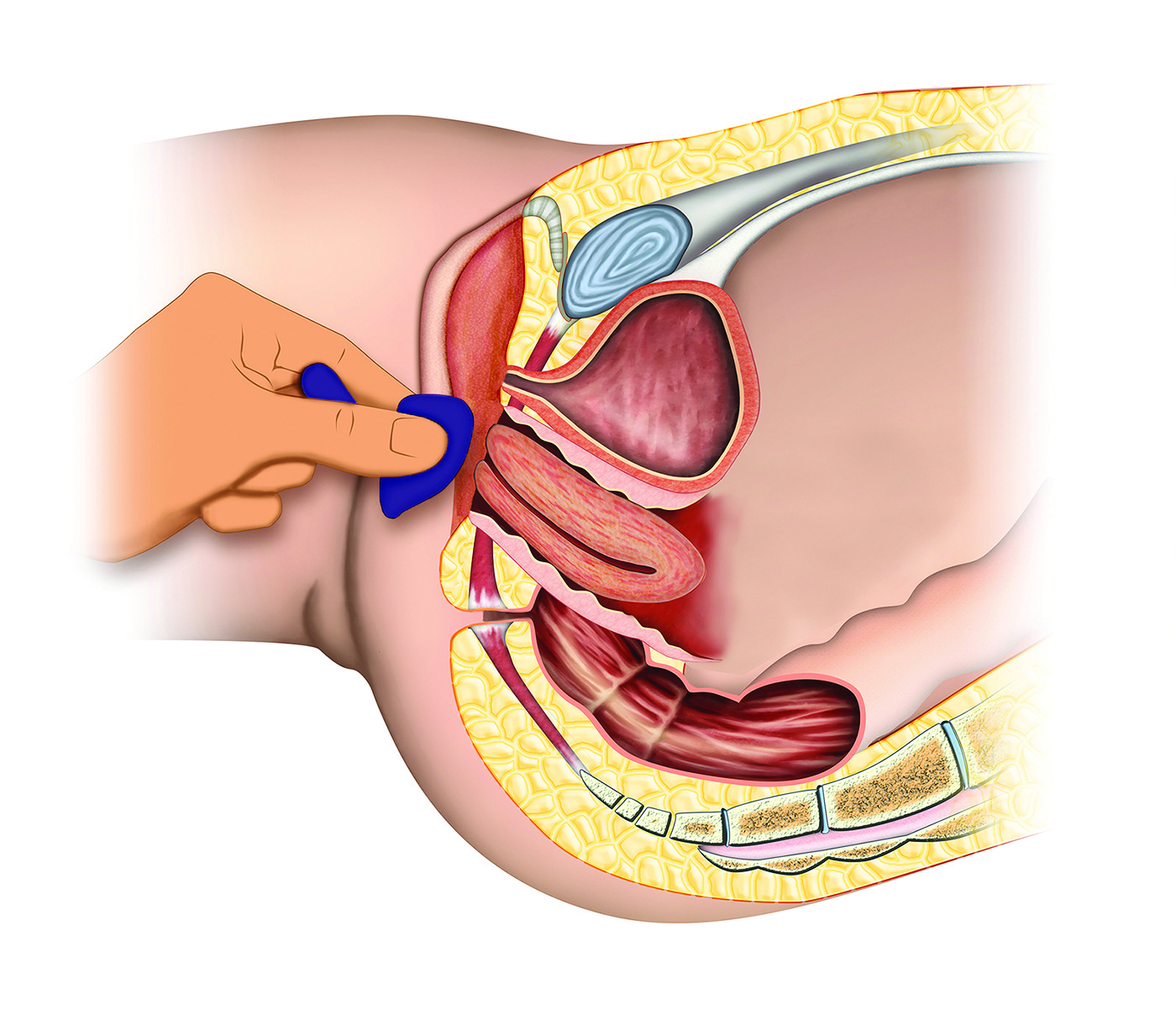
Position the patient, lithotomy or semi-recumbent, lubricate the pessary (ideally with a water-based lubricant) and compress/fold the device to reduce the diameter
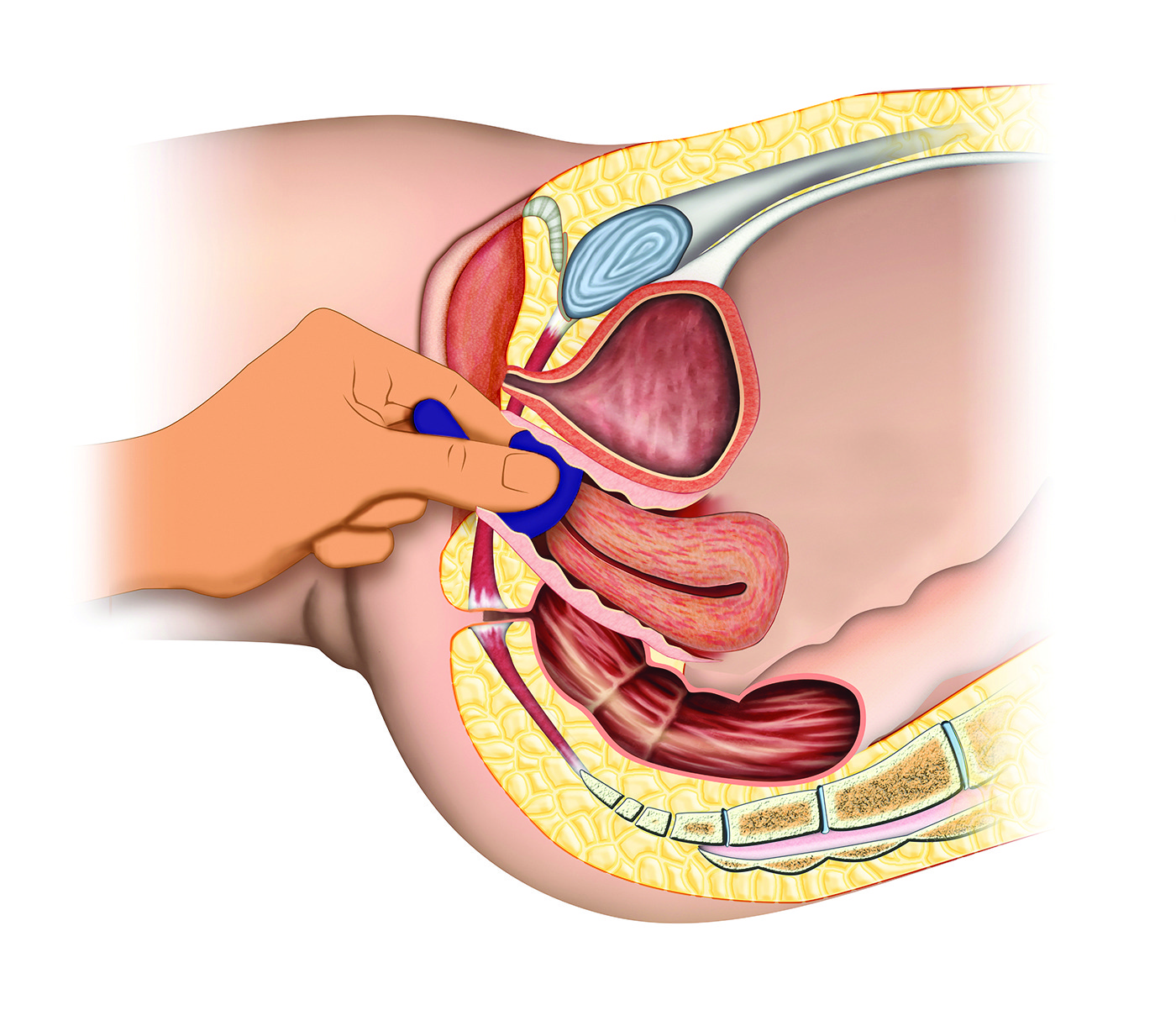
Insert into the vagina – aim posteriorly first (towards the sacrum) then guide upward
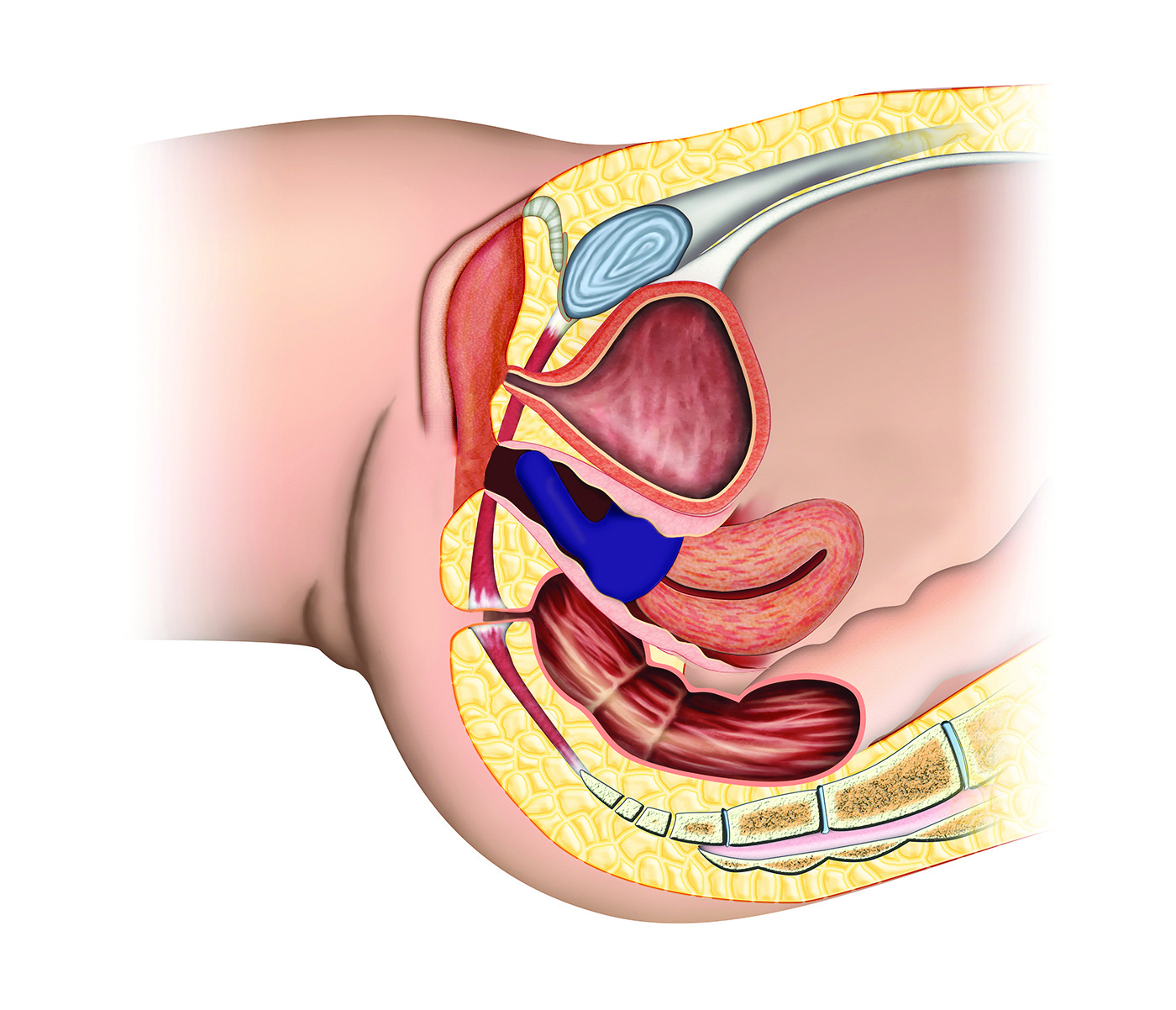
Continue to push the pessary into place
Mediplus POPY™ pessary in situ. The kidney-shaped plate should sit behind the pubic symphysis, and the stem should rest in the posterior fornix
The POPY™ pessary is the world’s first silicone shelf pessary. Made from 100% medical grade silicone, making it softer, and easier to fit and remove than traditional PVC shelf pessaries while reducing the risk of vaginal tissue erosion.

 Anaesthesia
 Gynaecology
 Operating Room
 Urology