This article provides a brief overview of when a Shaatz pessary may be used, particularly for women with a low or shallow pubic notch.
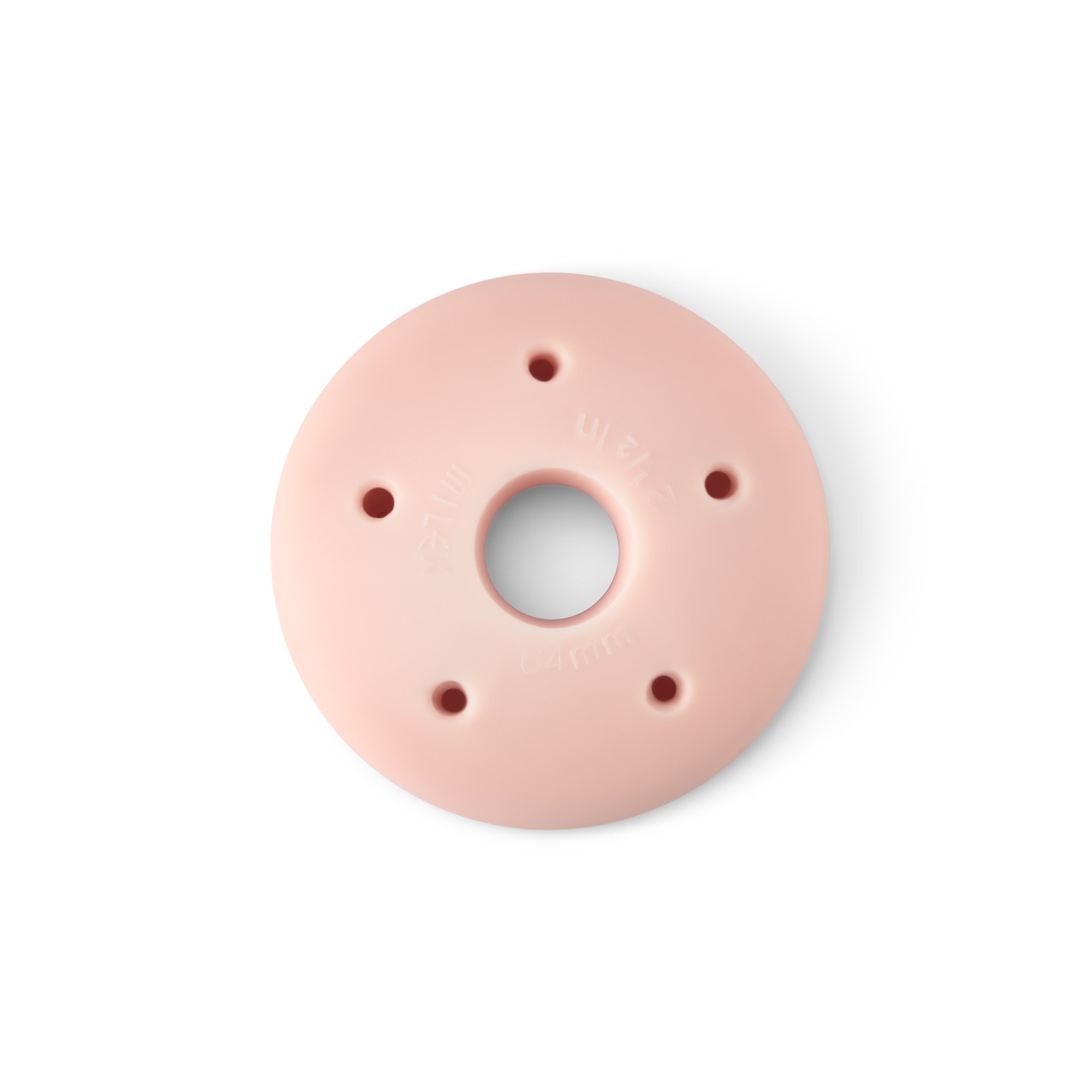
Similar to the Gellhorn pessary but without a stem a Shaatz pessary is recommended for a woman with a low or shallow pubic notch who cannot retain a ring pessary. It is ideal for a woman who wishes to maintain sexual activity but requires more support.
Selecting the correct Schaatz pessary size is essential for achieving effective symptom relief while ensuring patient comfort and retention.
A vaginal examination should be carried out to assess the patient’s anatomy, degree of prolapse, and vaginal capacity before selecting a size. The pessary should sit comfortably within the vaginal fornices without causing pressure, discomfort, or difficulty with insertion and removal.
Following fitting, patients should be encouraged to walk, sit, and perform activities that increase intra-abdominal pressure, such as coughing or bearing down, to help confirm that the pessary remains well-positioned and comfortable.
Available in sizes 38 – 95mm
Explore available sizes, purchase online, or learn more about the product here.
Pessary use is part of a shared decision‑making process and can be continued long‑term if effective and well tolerated, enabling many women to maintain normal daily activities with reduced prolapse symptoms.
The Pelvic, Obstetric and Gynaecological Physiotherapy (POGP) guidelines emphasise the importance of assessing fit and symptom relief during the initial fitting and during scheduled reviews, and adjusting size or type if necessary to achieve optimal comfort and retention. [1]
Correct fitting of a Schaatz pessary is essential to ensure adequate prolapse support, patient comfort, and successful long-term use. The pessary should provide effective support while remaining comfortable during daily activities.
Before fitting, perform a vaginal examination to assess the type and severity of prolapse, vaginal dimensions, and any anatomical considerations that may influence pessary selection. An appropriate size should then be chosen based on the patient’s anatomy and support requirements.
To insert the Schaatz pessary, compress and fold the device as required before gently guiding it through the vaginal introitus. Once inserted, position the pessary so that it sits comfortably within the vaginal fornices, with the cervix supported by the central opening where applicable. The pessary should rest securely behind the pubic symphysis and provide adequate support to the prolapsed tissue.
Removal of a Schaatz pessary should be performed carefully to minimise discomfort and avoid trauma to the vaginal tissues. Regular removal and examination allow clinicians to assess vaginal health, identify any signs of irritation or ulceration, and determine whether the pessary remains appropriate for the patient’s needs.
Before removal, ensure the patient is in a comfortable position and explain the procedure. A small amount of water-based lubricant may be used if required to facilitate removal.
To remove the pessary, gently locate the edge of the device and hook a finger through or around the pessary. Carefully rotate and compress the pessary as needed to reduce its diameter before guiding it through the vaginal introitus. Removal should be performed slowly and gently to minimise discomfort.
Where clinically appropriate, some patients may be able to self-manage their Schaatz pessary, allowing them to remove, clean, and reinsert the device independently. Self-management can offer greater flexibility, reduce the need for routine clinic visits, and enable patients to take a more active role in their prolapse management.
Not all patients will be suitable candidates for self-management. Factors such as manual dexterity, mobility, cognitive ability, confidence, and individual anatomy should be considered before recommending this approach. Patients should receive appropriate training and demonstrate they can safely remove and reinsert the pessary before self-management is undertaken.
Traditionally, women attending routine pessary care with a healthcare professional are reviewed approximately every six months. Women who self-manage their pessaries may be reviewed annually.[2]


 Anaesthesia
 Gynaecology
 Operating Room
 Urology