This article provides a comprehensive overview of the cube pessary, including its design, uses, benefits, fitting considerations, removal, and self-management.
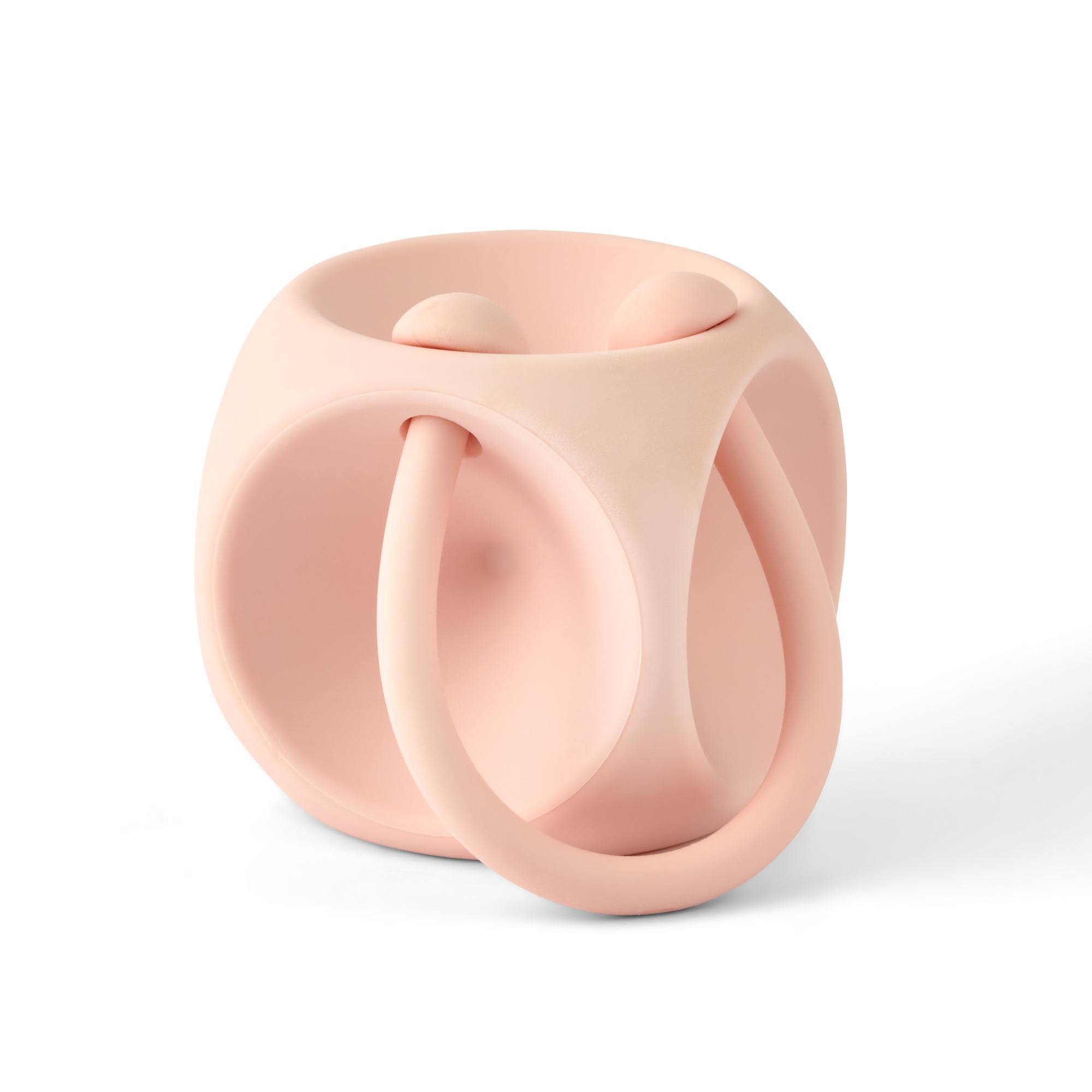
A small, usually silicone, cube-shaped device with concave sides that create suction against the vaginal walls, helping it stay in place. It is typically used for more severe prolapse or when other pessaries have not been effective, and it often requires daily removal and cleaning by the patient.
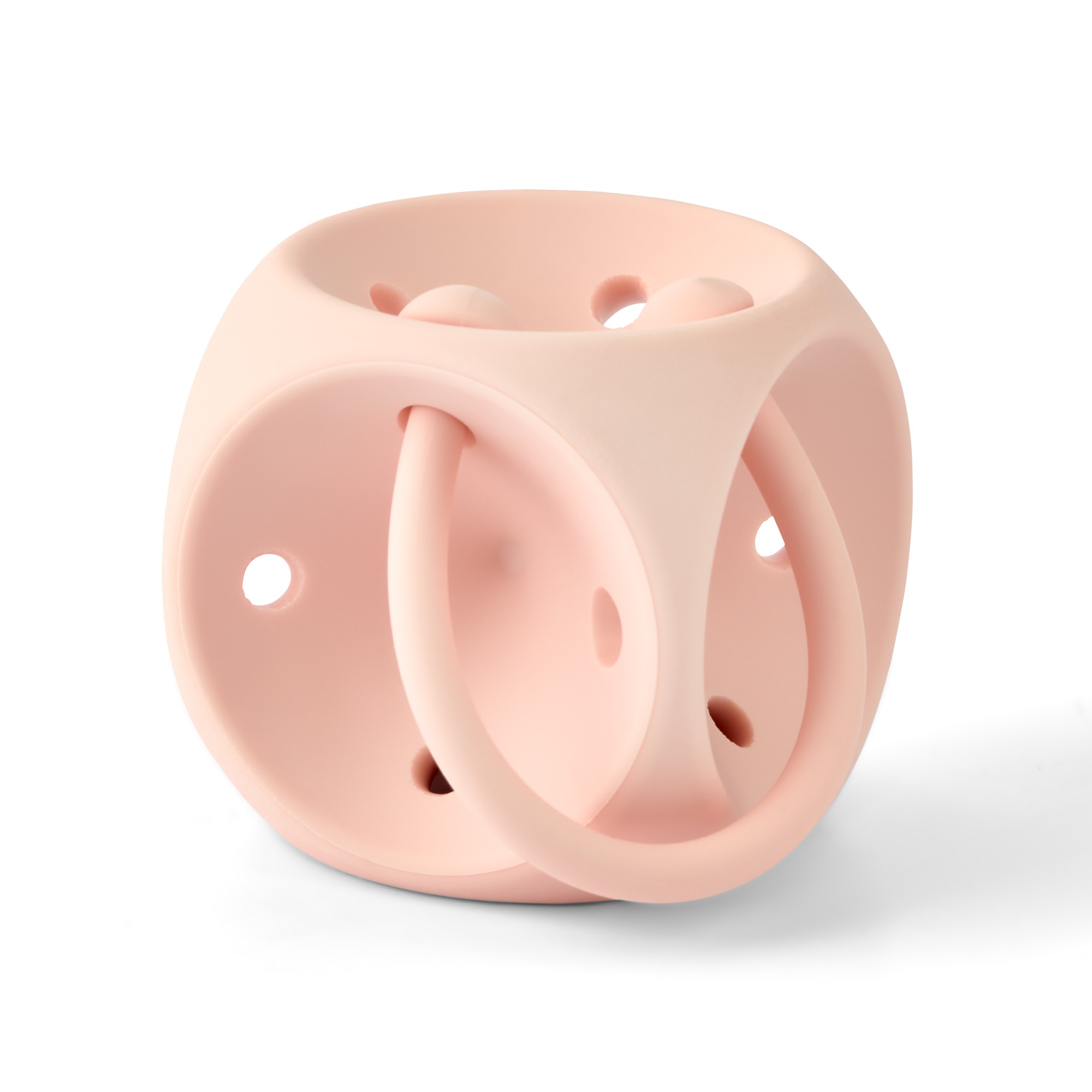
Just like a cube pessary however, the integrated drainage holes allow vaginal secretions to pass through the pessary, helping to reduce fluid pooling, support vaginal hygiene, and facilitate easier removal by reducing suction.
A cube pessary is typically indicated for women with more severe or recurrent pelvic organ prolapse (POP), particularly when other pessary types have failed to provide adequate support or remain securely in place. Its suction-based design provides strong vaginal wall adherence, making it suitable for advanced prolapse, including third-degree prolapse, uterine prolapse, and procidentia.[1]
Cube pessaries are often recommended for women who are able to self-manage their pessary, as regular removal and cleaning are usually required. Consequently, a reasonable degree of manual dexterity is needed to allow for safe insertion and removal. Due to its position within the vagina and the suction mechanism used for retention, the pessary should be removed prior to vaginal intercourse to prevent discomfort or displacement.[1]
The cube pessary is a space-occupying vaginal device designed to provide support for POP. Unlike support pessaries, which rely on anatomical structures for retention, the cube pessary features six concave surfaces that create gentle suction against the vaginal walls when inserted. This suction effect helps to secure the pessary in place and maintain support of the prolapsed pelvic organs.
Once positioned in the vagina, the cube pessary elevates and supports the prolapsed tissue, reducing the descent of pelvic organs and alleviating associated symptoms such as vaginal bulging, pelvic pressure, and discomfort. Its suction-based mechanism makes it particularly effective for women with more advanced prolapse or for those who have been unable to retain other types of pessaries.
The pessary includes a removal string or stem that allows the user to break the suction seal and remove the device safely. Due to the continuous contact between the pessary and the vaginal mucosa, regular removal and cleaning are required, typically on a daily basis, to minimise the risk of vaginal irritation, discharge, ulceration, or infection.
Before removing the pessary, wash your hands thoroughly. Gently locate the removal stem or cord and pull it slowly while applying light pressure to one side of the pessary. This helps break the suction seal between the pessary and the vaginal wall. Once the suction has been released, carefully fold and remove the pessary from the vagina. Removal should never be forced, as this may cause discomfort or irritation.
After removal, wash the pessary using warm water and a mild, non-perfumed soap. Rinse thoroughly to remove any soap residue and allow it to dry before reinsertion. Inspect the pessary for any signs of damage, cracking, or deterioration, and consult a healthcare professional if any concerns are identified.
Wash your hands before reinserting the pessary. Fold or compress the cube pessary as instructed by your healthcare professional and apply a small amount of water-based lubricant if required. In a comfortable position, gently insert the pessary into the vagina and guide it upwards until it sits comfortably and provides adequate support. Once in place, the cube pessary will expand and create gentle suction against the vaginal walls to help maintain its position.
Sizing and fitting a pessary requires careful assessment by a clinician, of both vaginal width and length, as well as an understanding of how different pessary types interact with an individual woman’s anatomy, prolapse characteristics and symptoms.
Selecting the correct cube pessary size is essential to ensure effective prolapse support, patient comfort, and successful long-term use. The pessary should be large enough to remain securely in place and provide adequate support to the prolapsed organs, but not so large that it causes discomfort, pressure, difficulty with removal, or vaginal irritation.
As vaginal anatomy and the severity of prolapse vary between individuals, sizing is typically determined through clinical assessment and trial fitting. In many cases, several sizes may need to be assessed before identifying the most appropriate option for the patient.
Available in sizes 0-7 (25-57 mm)
Explore available sizes, purchase online, or learn more about the product here.
Available in sizes 0-7 (25-57 mm)
Explore available sizes, purchase online, or learn more about the product here.
Pessary use is part of a shared decision‑making process and can be continued long‑term if effective and well tolerated, enabling many women to maintain normal daily activities with reduced prolapse symptoms.
The Pelvic, Obstetric and Gynaecological Physiotherapy (POGP) guidelines emphasise the importance of assessing fit and symptom relief during the initial fitting and during scheduled reviews, and adjusting size or type if necessary to achieve optimal comfort and retention. [1]
To insert it into the vagina, the cube should be pushed gently downwards into the vaginal space and then with downward pressure to the posterior vaginal wall whilst being turned gently to get past the vaginal entrance. Once inside the vagina, it should be pushed up as far as possible. [1]
A cube pessary should be removed carefully to release the suction that helps keep it in place.
This is typically done by gently pulling on the removal cord or stem while applying slight pressure to one side of the pessary to break the seal against the vaginal wall. Once the suction is released, the pessary can be folded and removed comfortably. As cube pessaries are often self-managed, many women are advised to remove, clean, and reinsert the device regularly, following the guidance of their healthcare professional. Regular removal and cleaning help maintain vaginal health, reduce the risk of irritation, and ensure the pessary continues to function effectively.
Pessary self-management refers to women being supported to remove and insert their pessary themselves for management of a pelvic organ prolapse. Women who are self-managing their pessary may still contact the pessary clinic or their GP for support in case of any problems or concerns. [4]
Many women can successfully self-manage a cube pessary following appropriate instruction from a healthcare professional. Due to the suction-based design, cube pessaries are often removed, cleaned, and reinserted regularly, which may be done daily or as advised by a clinician.
Traditionally, women attending routine pessary care with a healthcare professional are reviewed approximately every six months. Women who self-manage their pessaries may be reviewed annually.[3]

A silicone device used to help manage pelvic organ prolapse (POP). Its six concave sides create a gentle suction effect that helps it stay securely in place within the vagina, providing support to prolapsed organs. It is often used when other pessary types have not provided adequate support.
A cube pessary is typically recommended for women with more advanced prolapse or for those who have found that support pessaries, such as ring pessaries, do not stay in place effectively.
Yes. Cube pessaries are designed for self-management. However, you should have sufficient hand dexterity and be comfortable inserting and removing the device yourself, as it needs to be removed and cleaned regularly.
Unlike support pessaries that rely on anatomical support alone, a cube pessary uses its six concave surfaces to create a gentle suction effect against the vaginal walls, helping it remain securely positioned.

 Anaesthesia
 Gynaecology
 Operating Room
 Urology