This article explores the different types of pessaries used in pelvic organ prolapse management, including their uses, fitting, and selection to support successful patient outcomes.
Pelvic organ prolapse (POP), also known as vaginal prolapse, occurs when one or more of a woman’s pelvic organs descend from their normal position.¹ While a range of treatment options are available, vaginal pessaries are a common conservative management approach. These removable devices are inserted into the vagina to support the pelvic floor and help restore prolapsed organs to a more anatomically correct position.²
Vaginal pessaries are typically made from inert plastic or silicone to prevent odours and reduce the absorption of vaginal secretions. Available in a wide variety of shapes, sizes, and designs, different pessary types are intended to address varying severities and presentations of prolapse, as well as individual patient anatomy and lifestyle requirements. This range of options enables healthcare professionals (HCPs) to select and fit the most appropriate pessary for each patient’s needs.³
As healthcare professionals (HCPs) have a variety of pessary types available to choose from, it is important to assess each patient individually before recommending the most appropriate option. Different pessaries are designed to provide varying levels of support and may be better suited to specific types or severities of prolapse. A thorough assessment helps maximise comfort, improve retention, and increase the likelihood of successful long-term use.
By considering these factors, HCPs can identify the pessary type that is most likely to provide effective symptom relief while meeting the individual needs and preferences of the patient.
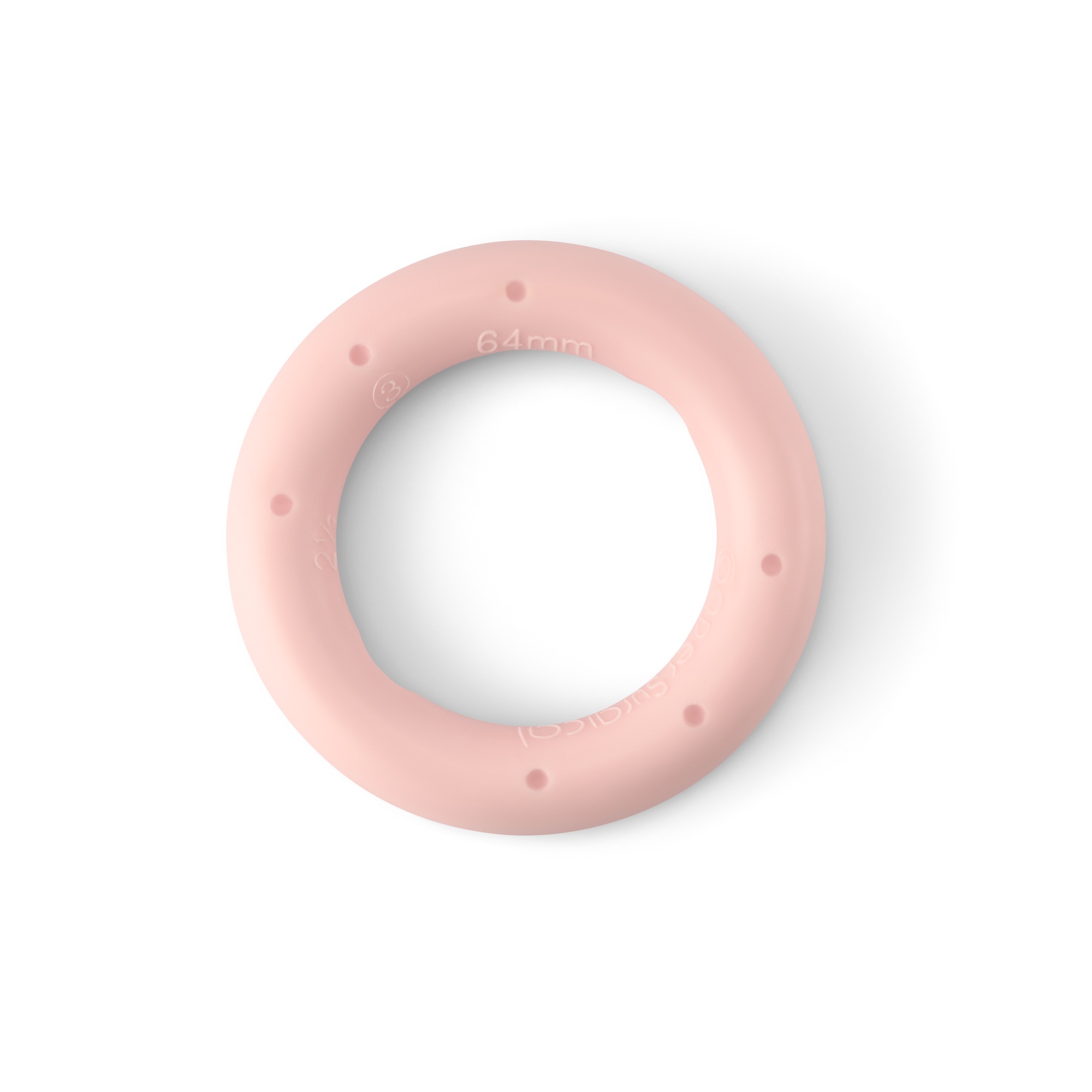
Ring pessaries are silicone or PVC rings that either come with or without additional support. They are often considered the first option when HCPs are deciding the treatment of POP due to ease of insertion and removal,3 association with less vaginal discharge and irritation, and the ability for women to have sexual intercourse with the pessary in situ.8
They are generally suitable for less severe prolapses (stages 1 and 2) but can sometimes be used to successfully treat more advanced prolapses.3
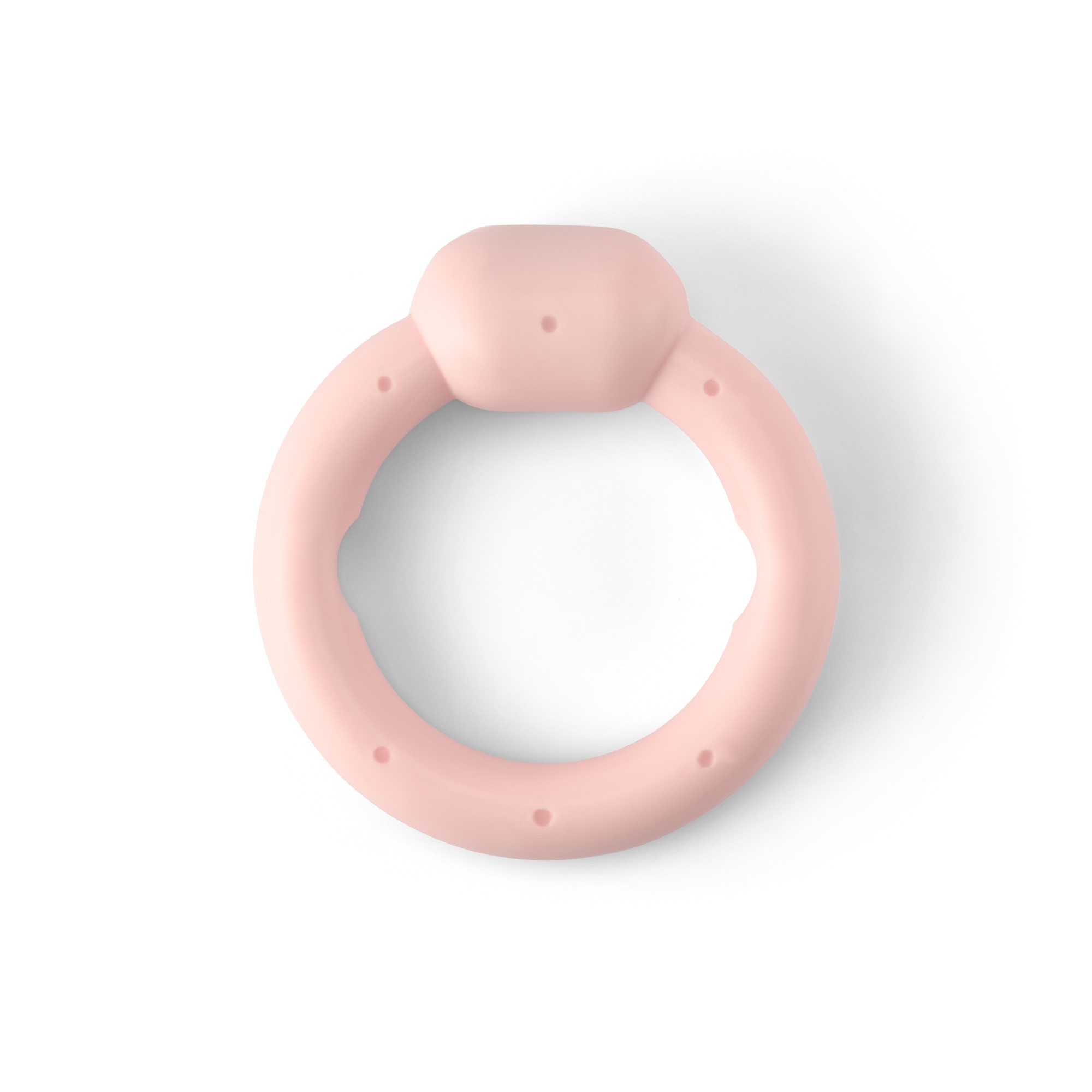
Ring pessaries with a knob are designed for women with both pelvic organ prolapse and stress urinary incontinence (SUI). The knob adds additional width to the pessary which may affect the sizing but provides support to the bladder neck to reduce SUI.
The pessary is inserted like a standard ring but with the knob to one side. Once inside the vagina, the pessary is rotated so the knob sits behind the symphysis pubis4 (the joint between the left and right pelvic bones).
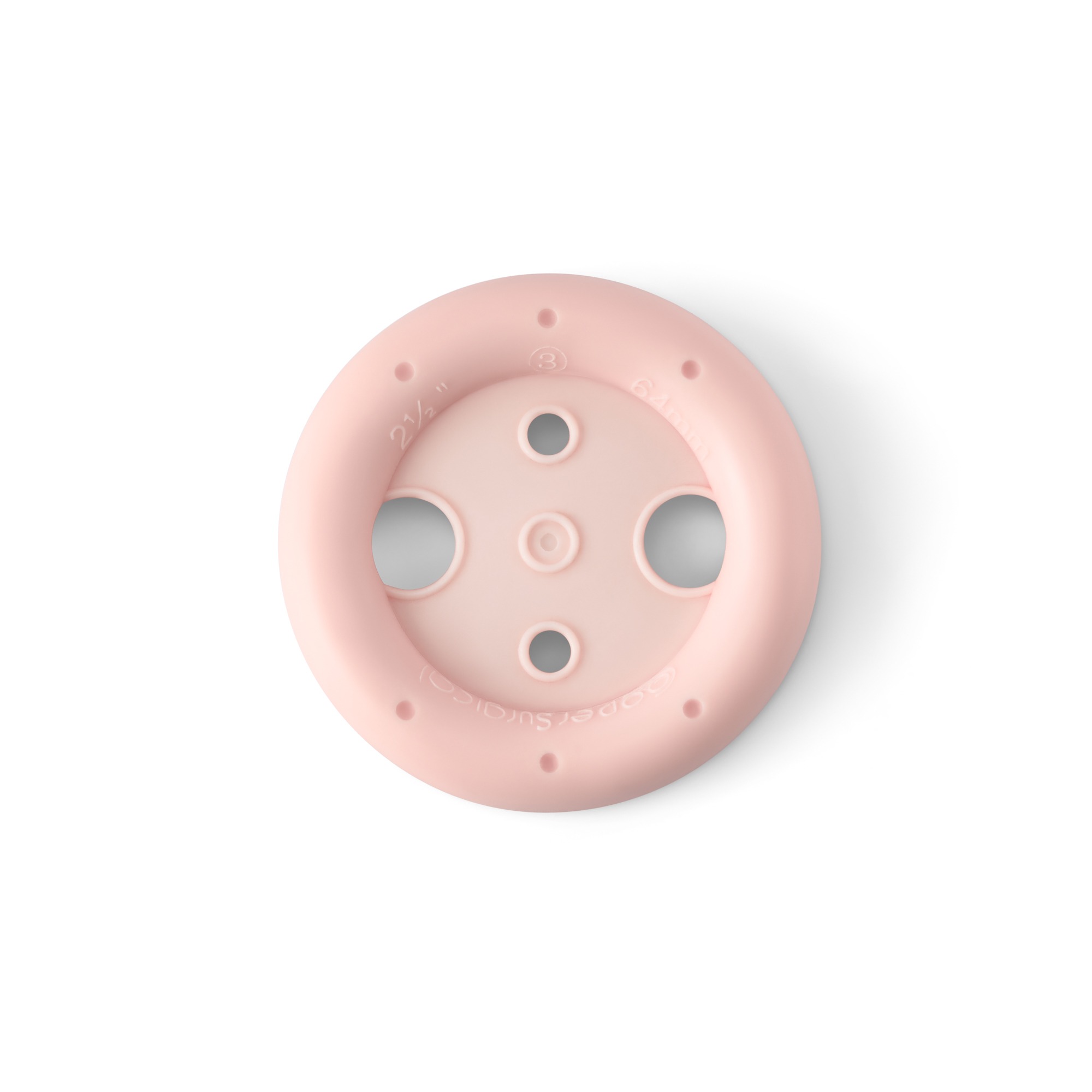
For women with a more significant prolapse or those who feel as though the prolapse is bulging through the pessary, a ring pessary with support may be offered. These pessaries provide a flexible supporting membrane with drainage holes that prevent the uterus from falling through the centre of the ring.4
Older patients were more likely to prefer the ring pessary with support due to its convenient use.9
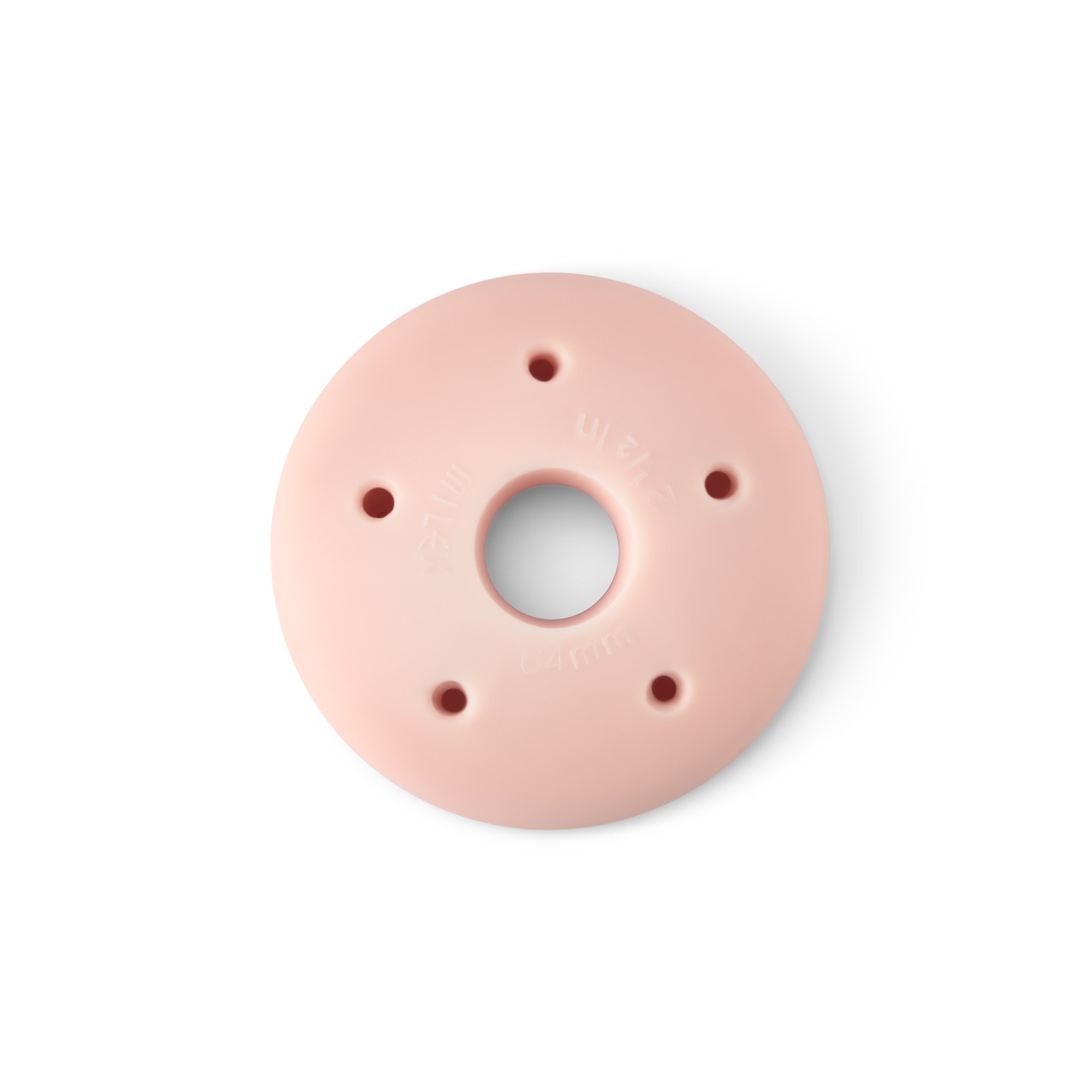
Shaatz pessaries are a circular, flat plate with drainage holes usually made of soft silicone and are. They are similar to a space-filling pessary called a Gellhorn but have no stem. They are usually recommended for women who struggle to maintain a ring pessary due to a low or shallow pubic notch.4
Some women are able to self-manage this type of pessary as self-removal is possible, however, it is more difficult than with a ring pessary due to the surface of the device creating a suction effect.8
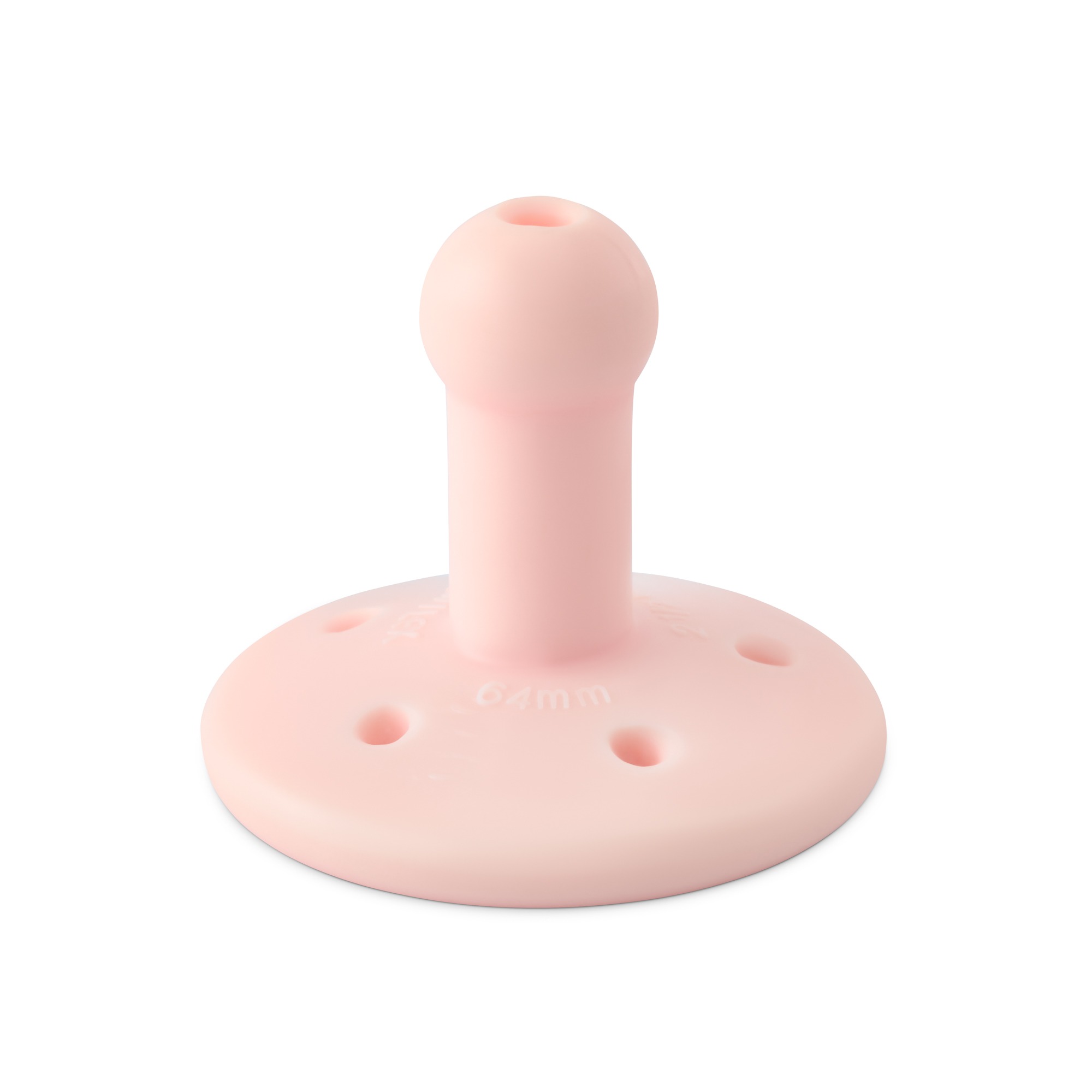
Gellhorn pessaries are a circular, flat plate, often considered in women with a more advanced prolapse or in need of additional support. It has a stem in the centre to stabilise it in the vagina whilst the cervix or vaginal vault rests behind the flat plate of the pessary. Most Gellhorns also have holes to facilitate fluid drainage and are usually made from a flexible silicone.4

These types of pessaries have a kidney-shaped plate for support with a curved stem in the centre to stabilise it in the vagina. They are usually reserved for women with a more advanced prolapse.4
As with the Gellhorn pessary, there are challenges with self-management and sexual activity and patients typically need to attend a review every 3–6 months.4
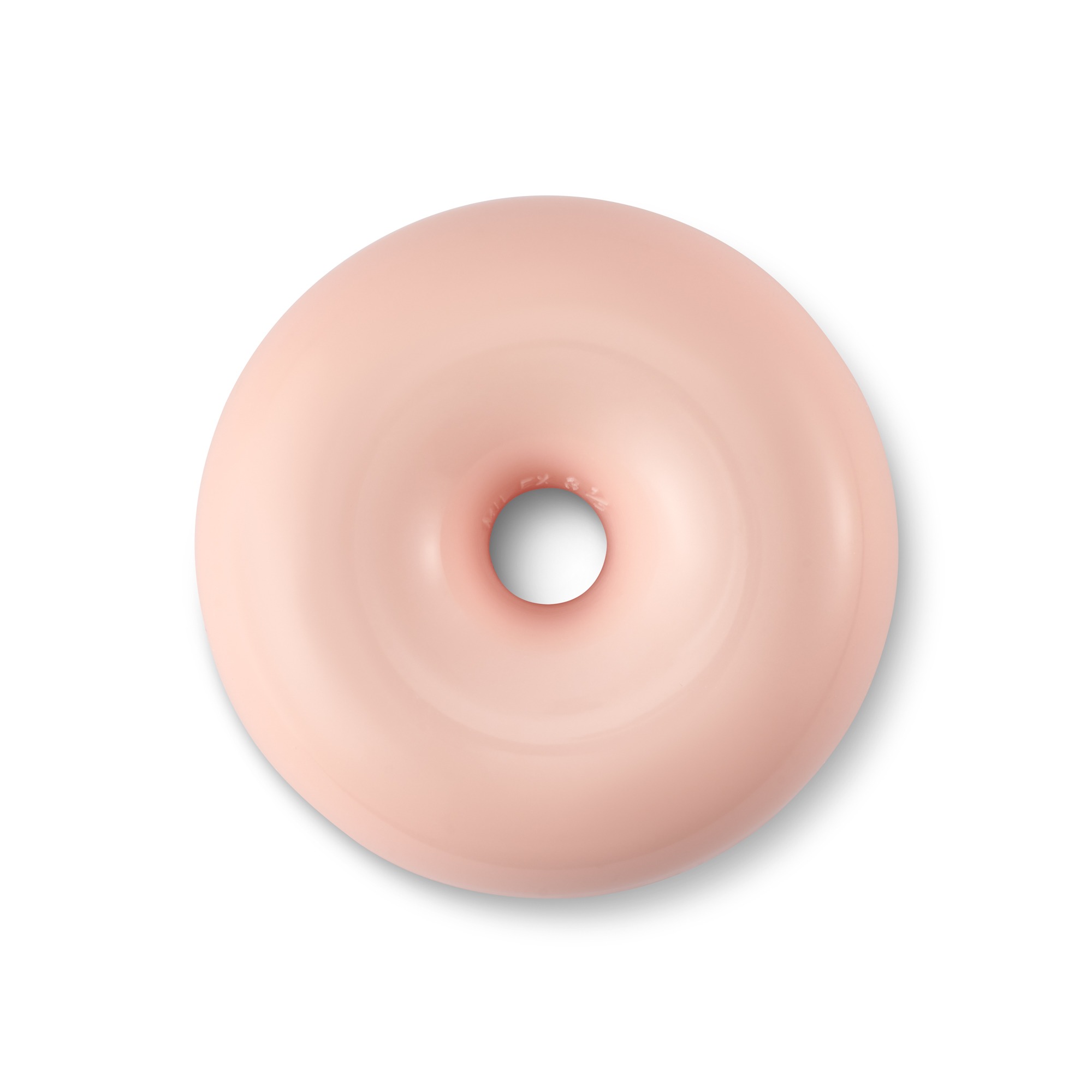
Donut pessaries are made from a flexible silicone and are designed to provide support by occupying the vaginal space. They are typically used more in advanced prolapse cases.3
Due to the shape and size, these pessaries are more difficult to insert and remove and cannot remain in situ during sexual intercourse, so are typically not recommended for self-management.8
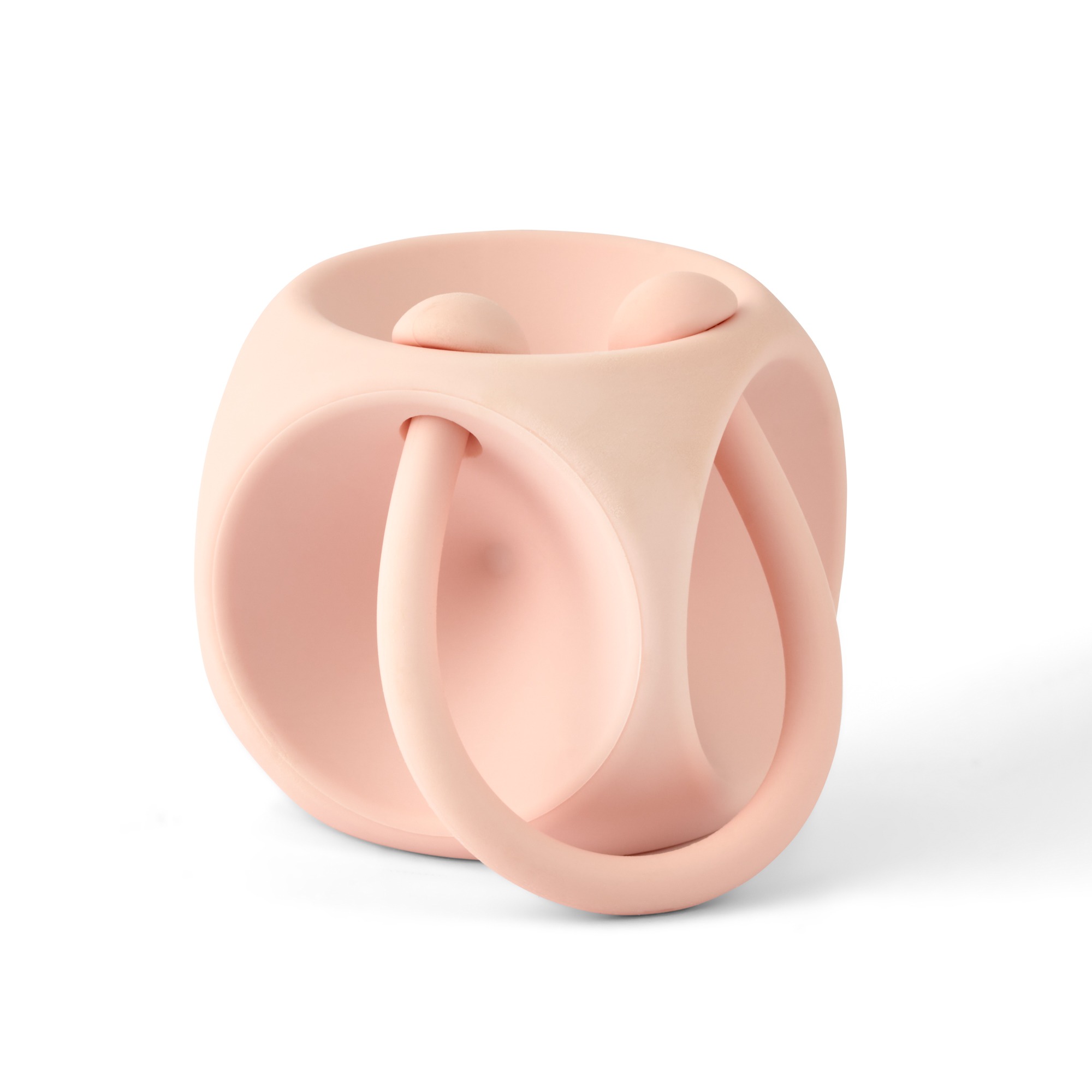
Cube pessaries are made of a soft silicone and have 6 concave sides which are designed to suction onto the surface of the vagina, providing an effective option for more advanced stages of prolapse, such as stages 3 and 4.3,8
Unlike other pessary types including Gellhorn and ring pessaries, cube pessaries cannot remain in situ as vaginal secretions can become trapped on the surface of the pessary, so they needs to be removed and cleaned nightly.3,8
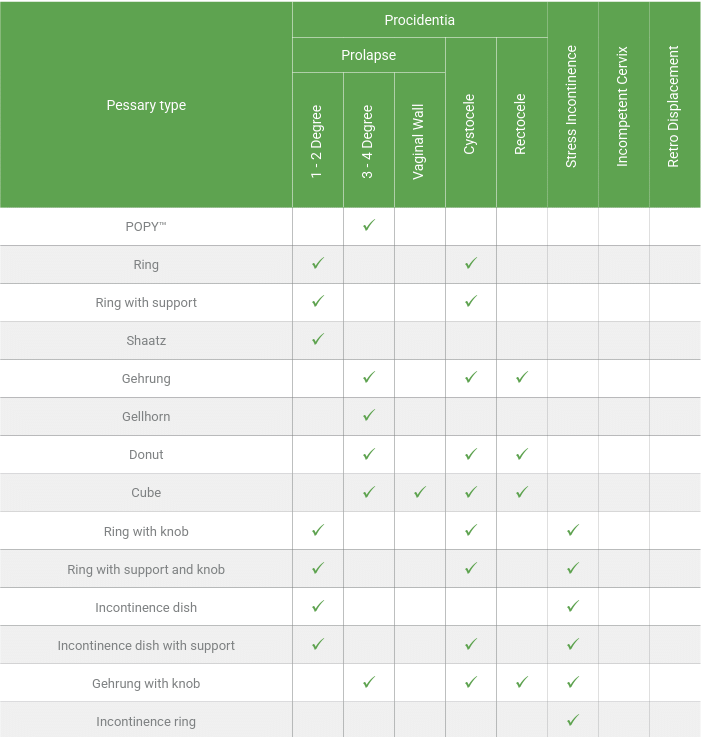
Successful pessary management begins with selecting a device that provides effective support while remaining comfortable for the patient. As every woman has unique anatomy and prolapse characteristics, pessary fitting is typically a process of assessment and trial and error to identify the most appropriate shape and size.
Before fitting a pessary, a healthcare professional will perform a clinical assessment to evaluate the type and severity of the prolapse, vaginal dimensions, and any factors that may influence pessary selection. Considerations such as whether the patient wishes to remain sexually active, their ability to self-manage the device, and their individual treatment goals also help inform the choice of pessary.
Pessaries are available in a wide range of shapes and diameters, so determining the correct size is an important part of the fitting process. The healthcare professional will estimate the width of the vagina and select an appropriately sized pessary for insertion. It is common for more than one size or even more than one pessary type to be trialled before the optimal fit is achieved. In general, the aim is to fit the largest pessary that can be worn comfortably while providing adequate support and retention.
Once inserted, the pessary should sit comfortably within the vagina and provide support to the prolapsed organs without causing pain or excessive pressure. To assess the fit, patients may be asked to stand, walk, sit, cough, bear down, or perform other activities that increase intra-abdominal pressure. This helps confirm that the pessary remains in position and effectively relieves symptoms during everyday activities.
Following a successful fitting, patients will usually be reviewed to ensure the pessary continues to fit correctly and remains comfortable. During these appointments, healthcare professionals can assess symptom improvement, check vaginal health, and determine whether any adjustments to the pessary type or size are required. While many patients achieve a successful fit during the initial appointment, others may require several fitting attempts before finding the most suitable option for their anatomy and prolapse presentation.
A well-fitted pessary should provide effective symptom relief, remain securely in place during daily activities, and support long-term conservative management of pelvic organ prolapse.
Mediplus provides a comprehensive range of support and space-filling pessaries for the management of POP.
With a variety of shapes, sizes, and designs available, clinicians can tailor pessary selection to the individual’s prolapse type and severity, anatomy, lifestyle, and treatment goals, helping to achieve an optimal fit and outcome.

 Anaesthesia
 Gynaecology
 Operating Room
 Urology