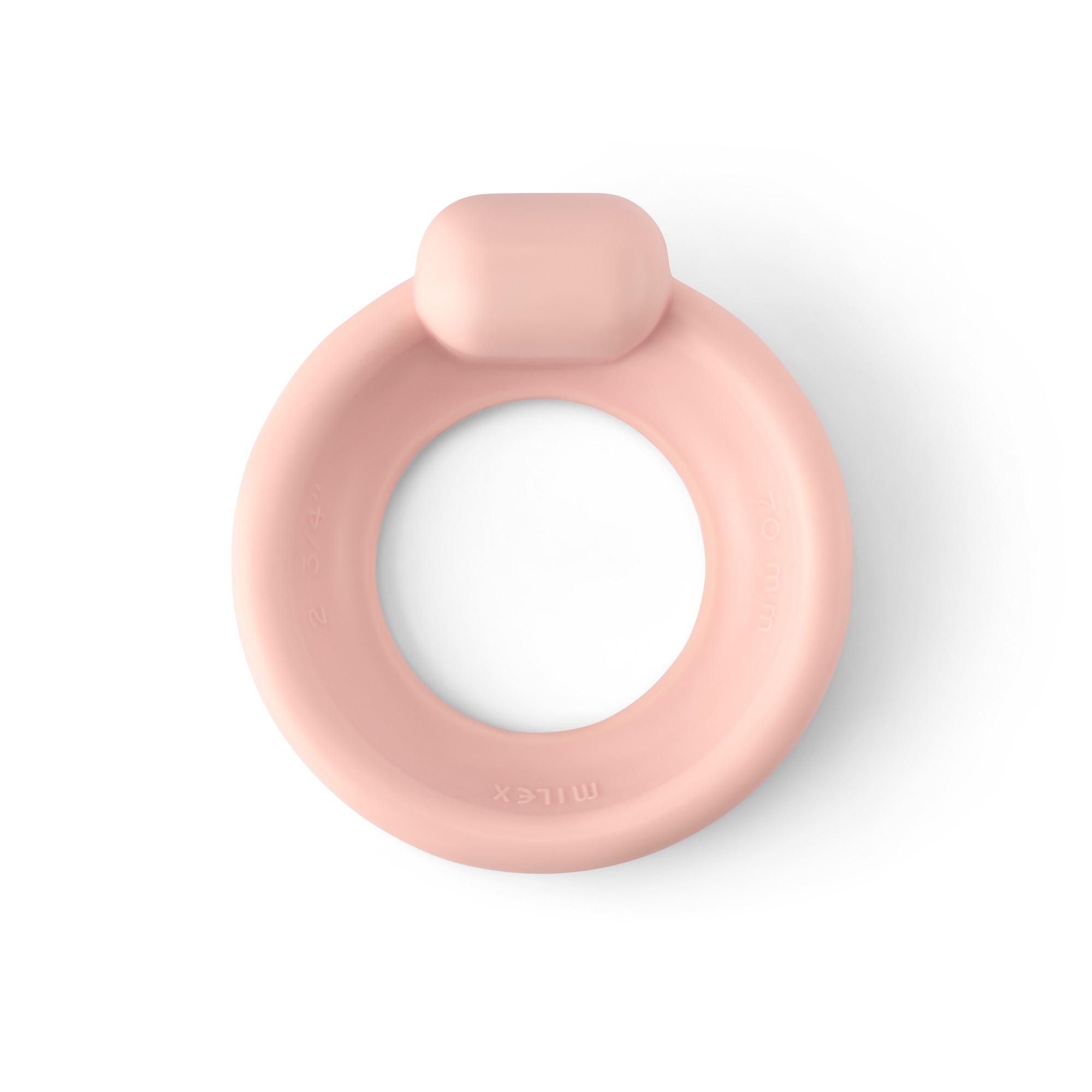
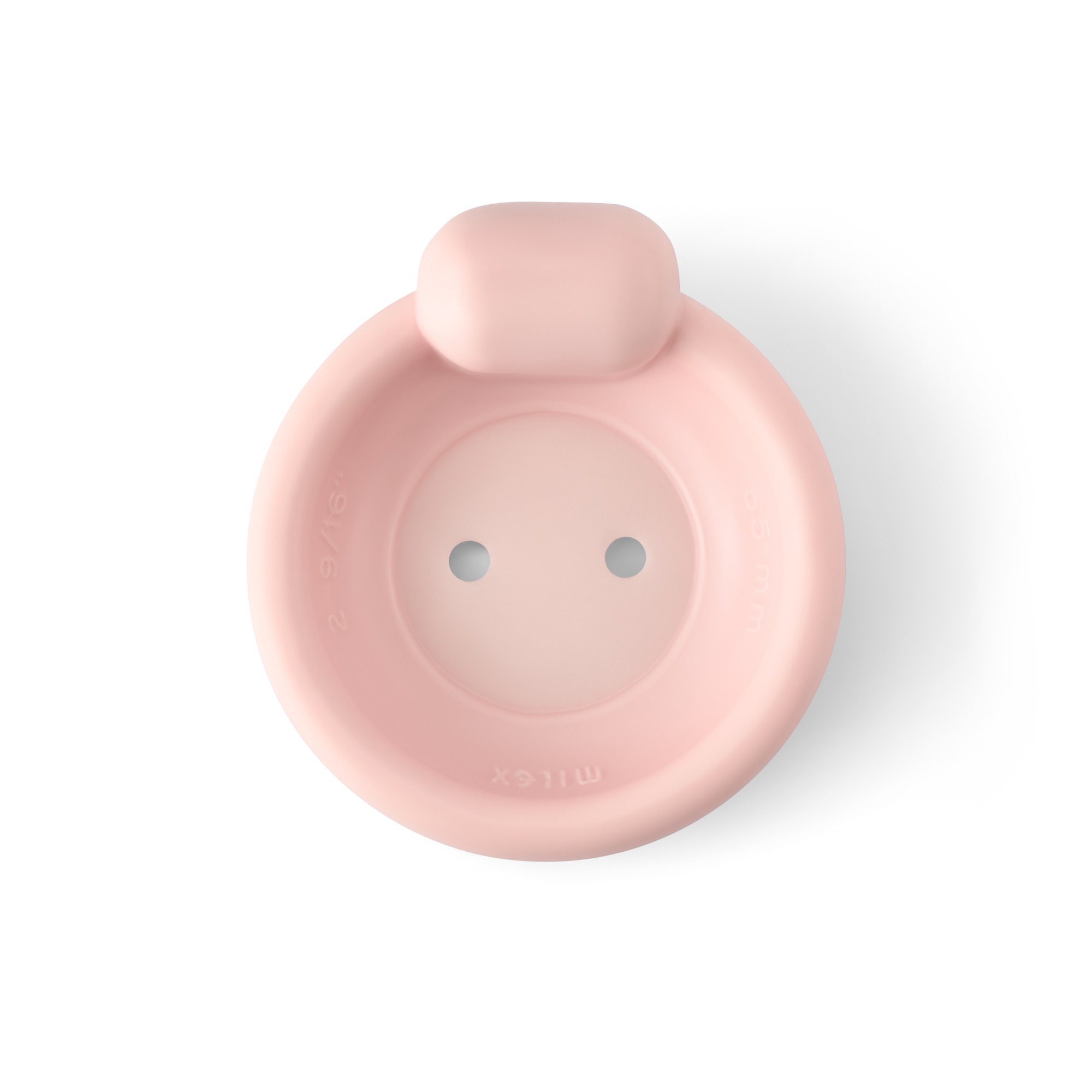
In this article, we will explore the incontinence dish pessary, a shallow, bowl-shaped device with a support membrane and central knob designed to help support pelvic organ prolapse while elevating the bladder neck to manage symptoms of stress urinary incontinence.
Available with or without support, the incontinence dish pessary is a circular vaginal pessary featuring a shallow, cupped bowl and a central knob designed to elevate and support the bladder neck. This can help reduce symptoms of stress urinary incontinence while also providing effective support for a significant anterior prolapse, with or without uterine descent, particularly when a ring pessary has failed.[1] Positioned securely behind the pubic bone, it offers a less complex alternative to space-occupying pessaries such as the Gellhorn and may be particularly suitable for women who wish to remain sexually active.[1]
Sizing and fitting a pessary requires careful assessment by a clinician, of both vaginal width and length, as well as an understanding of how different pessary types interact with an individual woman’s anatomy, prolapse characteristics and symptoms.
Available in sizes 0-6 (55-85 mm)
Explore available sizes, purchase online, or learn more about the product here.
Available in sizes 0-6 (55-85 mm)
Explore available sizes, purchase online, or learn more about the product here.
Pessary use is part of a shared decision‑making process and can be continued long‑term if effective and well tolerated, enabling many women to maintain normal daily activities with reduced prolapse symptoms.
The Pelvic, Obstetric and Gynaecological Physiotherapy (POGP) guidelines emphasise the importance of assessing fit and symptom relief during the initial fitting and during scheduled reviews, and adjusting size or type if necessary to achieve optimal comfort and retention. [1]
Correct fitting of an incontinence dish pessary is essential to ensure both comfort and effective symptom relief. The appropriate size should provide adequate support to the pelvic structures and bladder neck while remaining comfortable during daily activities.
Before fitting, a healthcare professional will typically perform a vaginal examination to assess the degree of prolapse, vaginal dimensions, and suitability for pessary use. The pessary is then folded and gently inserted into the vagina before being positioned behind the pubic bone. The support membrane and central knob should sit comfortably beneath the urethra and bladder neck, helping to reduce urine leakage associated with stress urinary incontinence.
Once inserted, the patient should be asked to stand, walk, cough, strain, and, if appropriate, empty their bladder to assess comfort, retention, and symptom control. A correctly fitted pessary should remain securely in place during activity without causing pain, pressure, or discomfort, and the patient should be able to pass urine normally.
An incontinence dish pessary should be removed carefully to avoid discomfort and minimise irritation to the vaginal tissues. Before removal, hands should be washed thoroughly. The healthcare professional or patient should locate the rim of the pessary and gently hook a finger beneath it, carefully pulling the device downward and slightly inwards. As the pessary is removed, it may be folded slightly to allow it to pass comfortably through the vaginal opening.
For women who self-manage their pessary, regular removal and cleaning may be recommended according to the advice of their healthcare professional. The pessary should be cleaned with warm water and a mild, non-perfumed soap, rinsed thoroughly, and inspected for signs of wear or damage before reinsertion.
Pessary self-management refers to women being supported to remove and insert their pessary themselves for management of a pelvic organ prolapse. Women who are self-managing their pessary may still contact the pessary clinic or their GP for support in case of any problems or concerns. [2]
Some women may be able to self-manage their incontinence dish pessary following appropriate assessment, fitting, and training from a healthcare professional. Self-management typically involves the regular removal, cleaning, and reinsertion of the pessary, allowing women greater independence and reducing the need for frequent clinic visits.
Before undertaking self-management, patients should feel confident inserting and removing the pessary and understand the recommended cleaning and care routine. The pessary should be removed at intervals advised by the clinician, cleaned using warm water and a mild, non-perfumed soap, and checked for signs of wear or damage before reinsertion.
Traditionally, women attending routine pessary care with a healthcare professional are reviewed approximately every six months. Women who self-manage their pessaries may be reviewed annually.[1]

 Anaesthesia
 Gynaecology
 Operating Room
 Urology